
Key Takeaways
- Malaysia’s growing vehicle count demands more efficient parking infrastructure.
- Smart and automated systems reduce queues, errors, and manual handling.
- Real-time data improves bay allocation, security, and overall utilisation.
- Cashless, ticketless payments speed up entry and exit while cutting waste.
- Automation strengthens revenue control and lowers operating costs.
- Local providers such as Snatch Park are helping facilities modernise with connected, data-driven solutions.
Malaysia recorded 38.7 million registered vehicles by the end of 2024, outnumbering the country’s 34.1 million population. This rise reflects growing mobility across the country, but it also puts heavy pressure on existing parking infrastructure, especially in high-traffic areas.
Manual parking systems, where drivers search for spaces and make cash payments at gates, often create congestion and frustration. Long queues, misplaced tickets, and human errors slow down traffic flow, especially in busy malls, airports, and office complexes.
With these challenges in mind, one question arises: can technology, through smart, automated, and cashless parking systems, fix Malaysia’s parking woes?
What Is a Smart Parking System and How Does It Work?
A smart parking system is essentially a digital ecosystem. It blends hardware and software to monitor vehicles, manage access, and automate payment processes. Depending on the setup, this may include IoT devices, cameras, cloud platforms, AI recognition, and automated validation tools.
In a typical deployment, smart systems:
- Detect vehicle entry and exit through licence plate recognition or sensors.
- Update real-time occupancy data, which can be accessed by drivers via mobile apps.
- Provide operators with analytics on usage trends, peak hours, and financial performance.
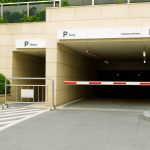
These systems are widely implemented in malls, airports, hospitals, and office buildings, enabling smoother flow and fewer bottlenecks. Beyond convenience, they improve space utilisation and can reduce the environmental footprint by optimising traffic circulation, making the entire process more eco-efficient.
The Rise of the Automated Parking System
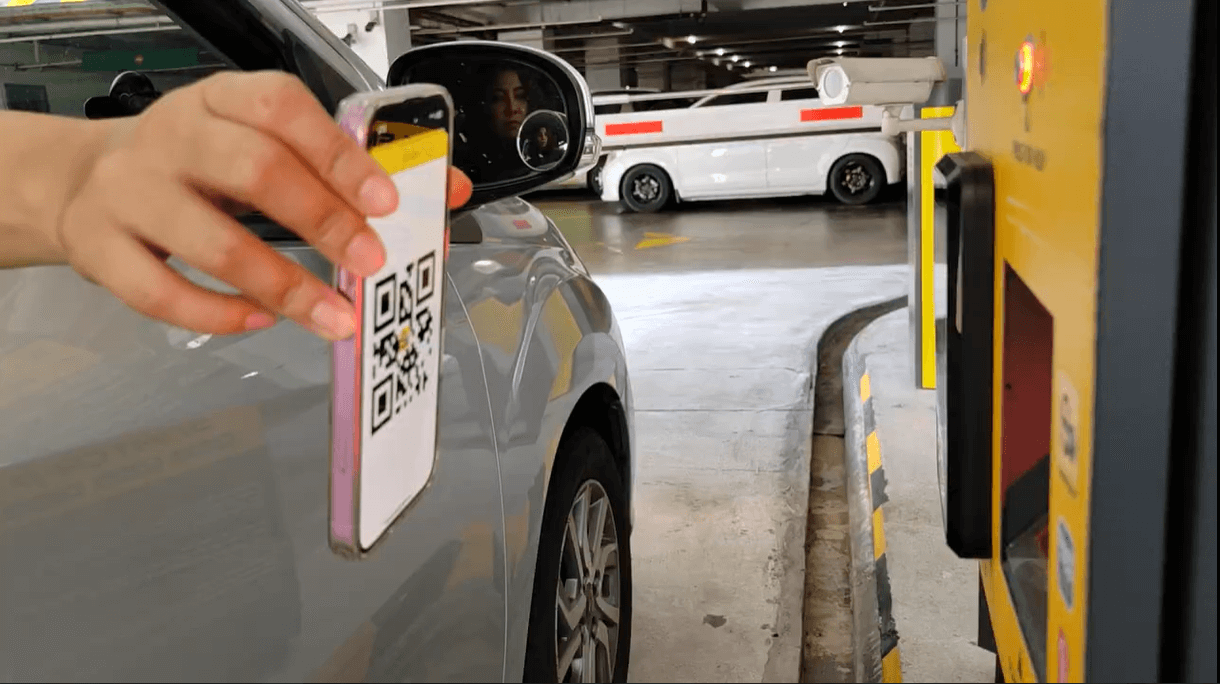
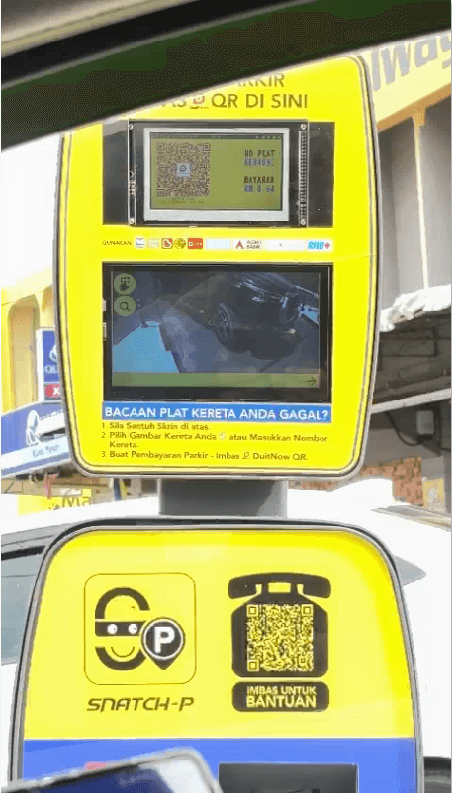
Automated parking systems differ from traditional gated setups in that they minimise or eliminate human intervention. They leverage:
- Robotic gates and barrier automation
- Automatic payment verification
- Automated Licence Plate Recognition (LPR/ANPR)
- Integrated entry/exit control systems
Compared with traditional models, automation reduces human error and allows facilities to operate with minimal manpower. No attendants are required, error rates drop, and traffic flow improves.
Automated car park systems are increasingly popular in Malaysia, particularly for urban developments where space and efficiency are critical. Automation also improves ROI by reducing manpower costs and enabling 24/7 operation.
In Malaysia, systems like Snatch Park’s ParkBOT reflect this shift by providing fully automated, cashless handling of payments and access, streamlining parking management for both operators and drivers.
How Digital Parking Access System Improves Security & Efficiency
A digital parking access system manages permissions, entry/exit control, and parking validation. Common technologies include:
- RFID cards
- QR-based access
- Mobile passes
- ANPR cameras
The benefits include stronger audit trails, reduced fraud, and better user management. When combined with a smart parking platform, operators get real-time monitoring, configurable permissions, and automated reporting. Users get a smoother, less intrusive experience.
Solutions like Snatch Park’s ParkBills illustrate how digital passes can streamline access for recurring or season-pass users. And with Malaysia averaging 409 e-payment transactions per person in 2024, the country is clearly ready for smarter, cashless parking experiences.
How Parking Lot System Design Maximises Every Bay
A well-designed parking system combines connected hardware and cloud-based software to make sure each bay is used efficiently. In practice, this can involve sensors, cameras, IoT devices, AI-driven recognition, and automated payment tools working together to monitor vehicle movement and manage access.
For operators, the data becomes the real advantage:
- Accurate visibility of occupancy
- Insights into peak periods
- Prediction of maintenance needs
- Optimised allocation of space and resources
These systems are especially useful in large facilities like malls, airports, and hospitals, where even minor delays ripple into congestion. Imaging-based platforms such as Snatch Park’s ParkEyes support this approach by tracking vehicle movement at key points, contributing to a clearer understanding of how bays are being used without relying on physical sensors in every space.
Cashless and Ticketless Parking as The New Standard of Urban Mobility

Malaysia’s shift toward digital payments naturally extends into parking. Cashless and ticketless systems offer:
- Drivers enjoy seamless entry and exit without paper tickets.
- Lost tickets are eliminated, reducing operational losses.
- Entry and exit times are faster, improving the user experience.
- Paper waste is reduced, supporting environmental sustainability.
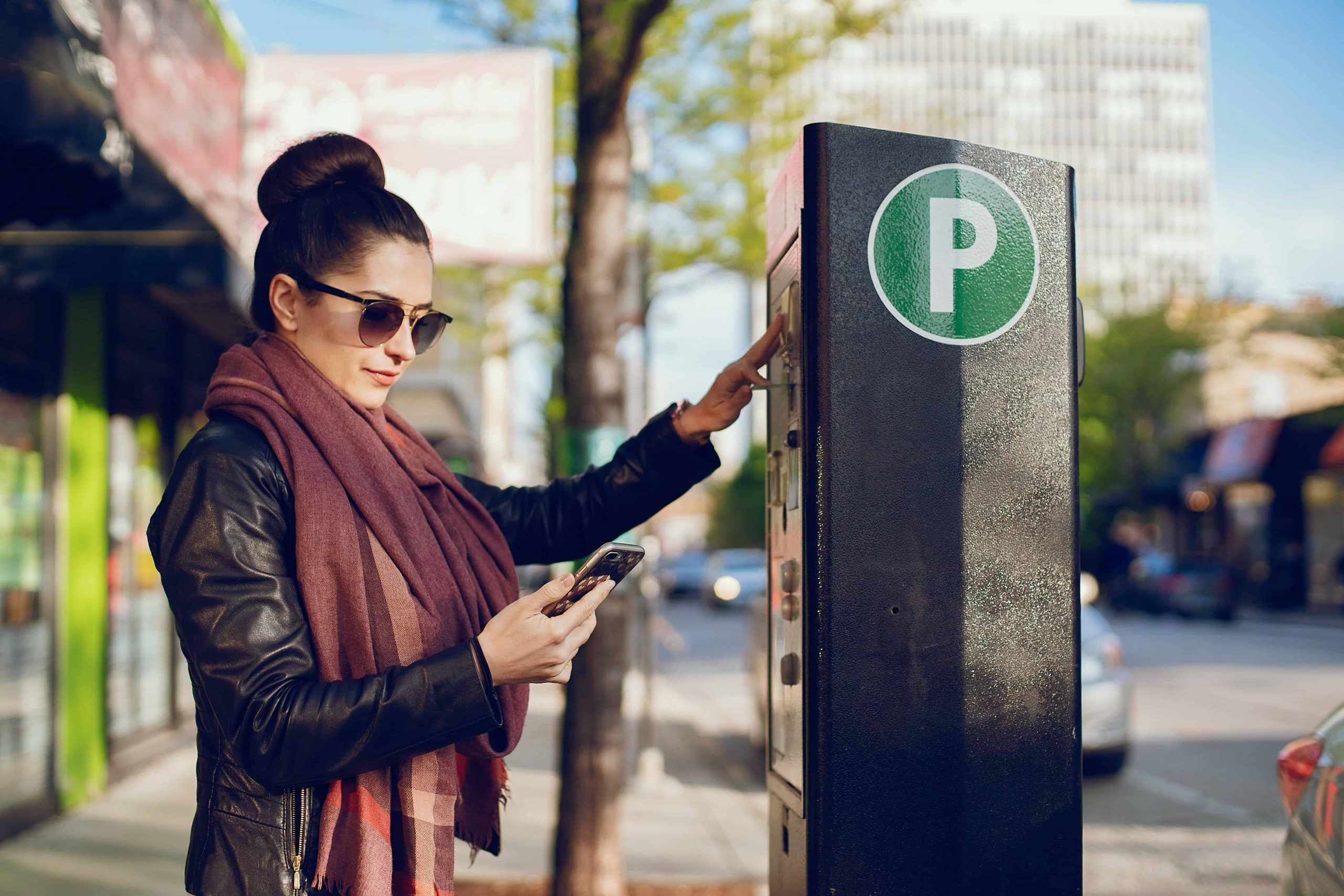
Mobile apps, e-wallets, and card payments have become standard for urban mobility, and parking is simply catching up. These systems reduce hardware wear, eliminate paper waste, and support a more modern user journey.
Snatch Park’s cashless flow, enabled through modules like ParkBOT and its mobile app, Snatch-P App, aligns with this nationwide transition toward digital payments. With digital adoption accelerating nationwide, operators are increasingly evaluating the price considerations of the smart parking system against the operational savings of going fully cashless and ticketless.
The Benefits of Automated Parking Systems for Businesses and Drivers
Automated parking brings wide-ranging advantages for both operators and users, including:
- Lower manpower dependency through manned-less operation
- Faster vehicle turnover and higher bay utilisation
- Better customer experience with less waiting and smoother payments
- Real-time reporting and stronger data visibility
- Reduced fraud and revenue leakage
- Improved compliance and a more sustainable, low-carbon operating model
For new developments or older facilities undergoing modernisation, automation improves efficiency and user satisfaction, resulting in measurable operational gains.
How Snatch Park is Powering Smart, Automated & Cashless Parking in Malaysia
Snatch Park, a Malaysian innovator with 30+ years of experience, provides a comprehensive ecosystem that combines automation, cashless payments, and intelligent data management. Key solutions include:
- Snatch: Snatch offers an end-to-end smart parking system, cashless transactions, and cutting-edge technology connected through IOT systems and digital devices.
- ParkEyes: smart imaging and ANPR for seamless, ticketless entry and exit
- BayLock: secure individual parking bays, integrating with the digital system
- Robin: centralised dashboard aggregating all parking data, providing real-time insights for operators
- ParkBills: a fully automated system that handles seasonal pass application, termination, refund, reactivation, and access control for all car parks using only one mobile system.
By leveraging these solutions, Snatch Park helps malls, offices, and open lots transition to automated, contactless operations, often with minimal upfront cost. Operators gain full visibility, improved revenue management, and enhanced driver experience.
Contact Snatch Park today to evaluate the best mix of smart, automated, and cashless solutions to modernise your parking facilities.
References
- SAYS. Malaysia Has 4.6 Million More Vehicles Than People. 2025. Available at::https://says.com/my/news/malaysia-has-4-6-million-more-vehicles-than-people
- TechNode Global. Malaysia’s E-Payments Transactions Continue to Rise in 2024. 2025. Available at: https://technode.global/2025/03/24/malaysias-e-payments-transactions-continue-to-rise-in-2024/