
Key Takeaways
- A PMS is the software backbone connecting entry, payment, access, and analytics.
- Integration of IoT, ANPR, and cashless payments improves operational efficiency and customer experience.
- Data-driven insights from a PMS help optimise occupancy, revenue, and maintenance planning.
- Advanced PMS platforms in Malaysia provide scalable, modular solutions that can be adapted to different types of facilities.
- The evolution of PMS supports smart city initiatives, reducing congestion and improving urban mobility.
Malaysian cities are racing toward smarter urban living, and parking is quietly getting its own upgrade. Most drivers only see the boom gates and payment kiosks, but the real magic is happening out of sight.
Modern car parks now run on connected systems that talk to each other in real time, smoothing out traffic flow, speeding up turnover, and sparing everyone from the usual parking drama.
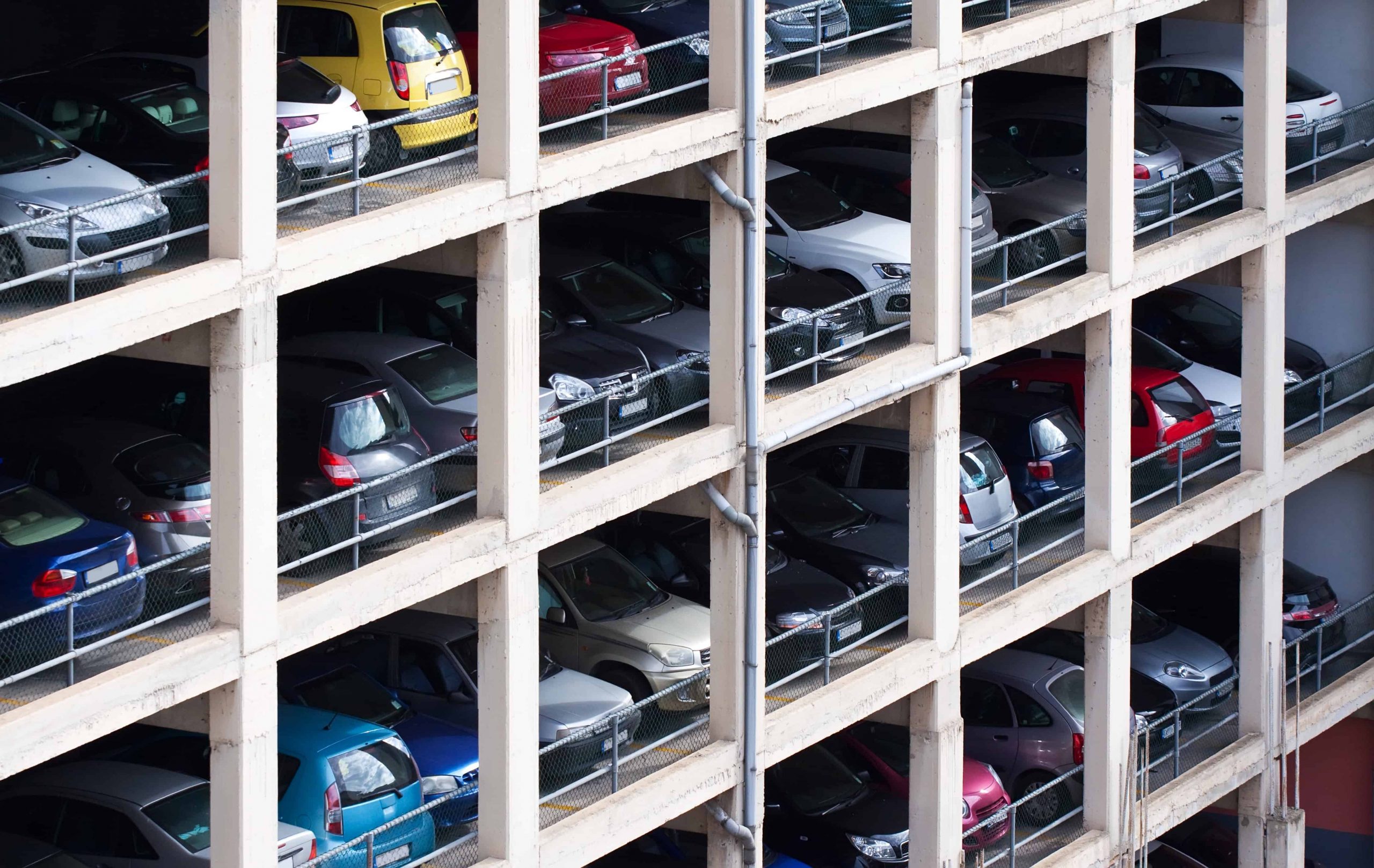
It’s not a small issue either. A 2017 study found that drivers in Kuala Lumpur spend an average of 25 minutes a day just looking for a parking space in a busy lot. Over a year, that’s 6.3 days lost to circling the same blocks.
What Exactly Is a Parking Management System (PMS)?
A Parking Management System is a central, integrated, often web-based and online software platform that links together entry gates, ANPR cameras, access devices, cashless payments, and reporting tools to control how vehicles enter, park, and exit efficiently.
While smart parking hardware focuses on detecting spaces and guiding vehicles, PMS software ensures every device, payment, and bay communicates efficiently.
Core Components of a Parking Management System
A modern PMS typically includes:
- Payment System: Integrates cashless payments, seasonal passes, and validation tools to streamline transactions.
- Monitoring & Analytics: Provides a real-time dashboard showing occupancy, traffic flow, and revenue trends.
- User Management: Handles access for seasonal parkers, tenants, or casual visitors.
- Access Control: Incorporates RFID, QR codes, or ANPR cameras to manage permissions and entry/exit.
These modules ensure that a PMS is software-centric, coordinating multiple technologies seamlessly for maximum efficiency.
How Parking Management Systems Simplify Operations for Property Owners
For property owners managing malls, offices, airports, or mixed-use developments, a vehicle parking management system offers practical day-to-day advantages:
- A centralised dashboard to oversee one site or multiple car parks
- Remote configuration and troubleshooting, cutting response times for system issues.
- Live alerts for occupancy anomalies, payment errors, or equipment faults.
- Data consolidation, transforming chaotic entry logs into actionable insights for reporting and decision-making.
Because data is automatically captured and structured, operators no longer rely on manual reporting or on-ground staff to track what’s happening. A PMS essentially turns scattered entry logs and payment slips into organised, actionable insights.
Data-Driven Decisions: The Power of Analytics in Parking
By aggregating information from sensors, access systems, and payments, a PMS generates actionable data:
- Revenue tracking and reporting for operational oversight.
- Peak-hour and usage pattern analytics to optimise space allocation.
- Insights for pricing strategies, loyalty programs, or dynamic pricing models.
- Reduced vehicle idling time and lower emissions, contributing to environmental sustainability.
Some advanced PMS platforms, such as those implemented in Malaysia, integrate analytics across modules like digital pass management, real-time entry/exit tracking, and automated revenue reporting, providing operators a clear view of their facilities.
Integration with Smart and Automated Parking Systems
A PMS becomes much more powerful when connected with IoT sensors, ANPR cameras, mobile payment tools, and automated gates. Together, they form an ecosystem where cars move in and out without the usual delays.
Why Integration Matters for a Parking Management System
A PMS functions as the central control layer that connects:
- Automated boom gates allow frictionless entry and exit.
- Cashless payment systems enable seamless transactions and reduce operational leakages.
- Smart sensors and cameras provide real-time occupancy and security monitoring.
Interoperability is what future-proofs the car park, allowing new hardware or software to be added without breaking the system.
Real-world adoption isn’t theoretical. In April 2025, Penang rolled out ANPR-based automated compounds, where licence plates are scanned and cross-checked instantly. The same principles underpin modern PMS deployments nationwide.
The Business Impact of an Intelligent Parking Management System
A well-implemented PMS makes a measurable difference to both operational and financial performance. Benefits include:
- Lower reliance on manpower and fewer operational leakages
- Easier audit, billing accuracy, and system accountability.
- Improved customer retention through smoother parking flow.
Many large facilities in Malaysia, including malls and municipal councils, are already adopting PMS solutions to manage multi-level structures more effectively.
How Snatch Park Elevates Parking Management in Malaysia
Malaysia’s parking ecosystem includes a growing number of digital solutions, and one example is Snatch Park’s modular PMS suite. Its tools align with the industry shift toward cloud-based, scalable, and integration-ready systems that fit both small facilities and large multi-level complexes.
Key components include:
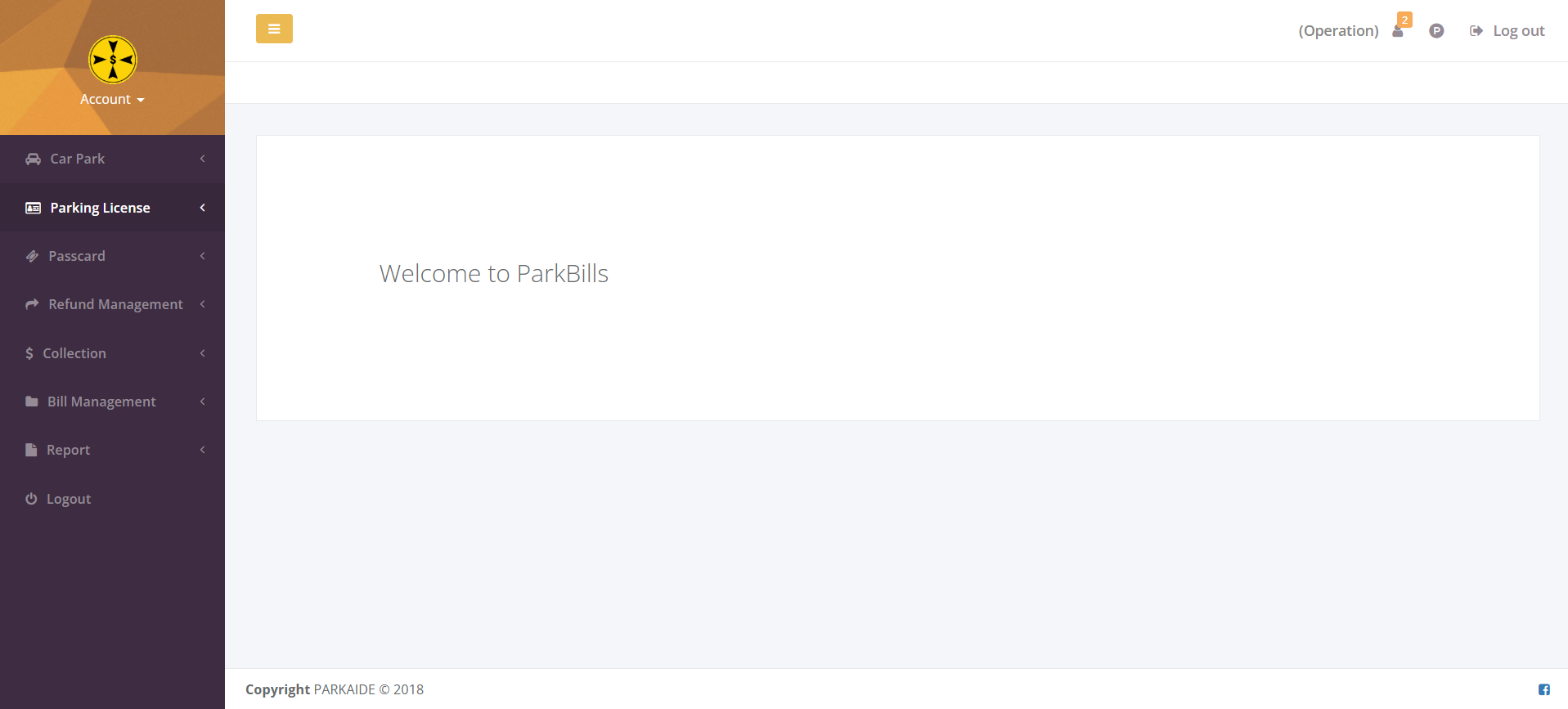
- ParkBills for centralised billing, digital passes, and access management for tenants or recurring users.
- Integration-ready modules such as ParkBOT for automated, cashless transactions and ParkEyes for ANPR-based entry and exit tracking.
- BPO support services, where operators can outsource elements of parking operations and digital management instead of relying solely on in-house manpower.
These systems are built around interoperability and modular deployment, which lets developers, hospitals, and even local councils scale their parking operations without restructuring everything from scratch.
The focus is on giving operators tighter financial control, cleaner audit trails, and a more predictable user experience across different types of car parks.
Looking Ahead: From Managed Parking to Smart Urban Mobility
PMS platforms are evolving beyond basic management into city-wide mobility networks powered by AI predictions, EV-friendly parking, and ANPR-driven traffic routing.
This aligns closely with Malaysia’s smart city vision, highlighted by MDEC’s Smart City Expo Kuala Lumpur, where connected mobility is a key pillar.
To property owners and developers, the message is simple: investing in the best, advanced PMS today builds the foundation for smoother, smarter, more sustainable mobility tomorrow. Choose expert providers like Snatch Park with over 30 years, for a reliable and advanced service.
Contact Snatch Park today to learn more about the best smart parking system for your building.
References
- SAYS. People in KL Waste This Much Time Everyday Looking for Parking. 2017. Available at: https://says.com/my/news/people-in-kl-waste-this-much-time-everyday-looking-for-parking
- MDEC. Smart City Expo Kuala Lumpur. 2025. Available at: https://mdec.my/smartcityexpokl